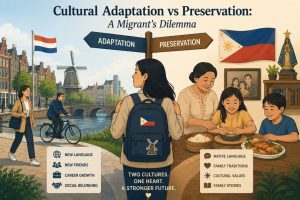
Exile as a Turning Point: When Migration Redefines Personal Identity shows how exile and identity transformation shape a person’s life in deep ways. The focus keyphrase exile as a turning point explains a key truth: migration is not just a move from one place to another. It is a shift in personal identity, sense of belonging, and life direction. Many people who live in exile face loss, change, and growth at the same time. This article explains how migration and identity, cultural adaptation, and emotional resilience connect—and how people can rebuild a strong sense of self.
Exile can feel like an ending. It can also become a new beginning.
What Does Exile Mean in Real Life?
Beyond Physical Movement
Exile is more than leaving a country. It can mean:
- Losing familiar places
- Leaving loved ones behind
- Letting go of old routines
This creates a break in life. People often feel unsure of who they are.
Voluntary vs Forced Exile
Some people choose to migrate. Others are forced by:
- Political conflict
- Economic hardship
- Safety concerns
According to the United Nations High Commissioner for Refugees, millions of people worldwide live in displacement. Each case carries a unique story of loss and survival.
Why Exile Becomes a Turning Point
A Break in Identity
Identity often forms through:
- Culture
- Language
- Community
When people leave these behind, they face a gap. They may ask:
- Who am I now?
- Where do I belong?
This moment can feel unstable, but it also opens space for growth.
Forced Reflection
Exile pushes people to reflect on:
- Values
- Beliefs
- Goals
This reflection can lead to personal growth after migration.
The Emotional Journey of Migration
Stage 1: Loss and Disorientation
At first, many feel:
- Homesick
- Confused
- Isolated
This stage includes emotional stress in migration.
Stage 2: Adjustment
Over time, people begin to:
- Learn new systems
- Understand cultural norms
- Build routines
This is part of cultural adaptation.
Stage 3: Integration
Eventually, many find balance between:
- Old identity
- New environment
This leads to identity reconstruction.
How Culture Shapes Identity
The Role of Culture
Culture affects:
- How people speak
- How they act
- How they see the world
When culture changes, identity shifts.
Cultural Adaptation
Adapting to a new culture includes:
- Learning language
- Understanding social rules
- Adjusting behavior
Research from the American Psychological Association shows that adaptation improves mental well-being when people feel accepted in their new environment.
The Challenge of Belonging
Feeling “In Between”
Many migrants feel they belong to two places but not fully to either.
This creates:
- Identity tension
- Emotional conflict
Building a New Sense of Home
Home becomes less about location and more about:
- Relationships
- Stability
- Meaning
The Role of Community
Support Systems
Communities help migrants:
- Share experiences
- Reduce loneliness
- Build confidence
Cultural Preservation
Communities also:
- Keep traditions alive
- Provide emotional comfort
This balance helps maintain identity while adapting.
Work, Purpose, and Identity
Redefining Roles
Migration often changes a person’s role. A professional may take a different job abroad.
This can affect:
- Self-esteem
- Confidence
- Identity
Finding New Purpose
Over time, people find new meaning through:
- Work
- Learning
- Contribution
Resilience in Exile
What Is Resilience?
Resilience means the ability to recover from difficulty.
In exile, it includes:
- Emotional strength
- Adaptability
- Persistence
Small Wins Matter
Progress often comes through:
- Learning a new skill
- Making a friend
- Building routine
These steps rebuild confidence.
Lessons from Personal Narratives
Stories of exile often show:
- Struggle
- Growth
- Transformation
Personal narratives highlight the human side of migration. They show how identity evolves through real experiences.
The Long-Term Impact of Exile
Positive Outcomes
Exile can lead to:
- Greater self-awareness
- Broader perspective
- Stronger resilience
Ongoing Challenges
Some challenges remain:
- Cultural gaps
- Family separation
- Emotional memory of loss
Both sides exist together.
How to Cope with Identity Changes
1. Accept Change
Identity can grow and shift. This is normal.
2. Stay Connected to Roots
Keep:
- Language
- Traditions
- Values
3. Build New Connections
Form relationships in the new environment.
4. Reflect Often
Journaling or quiet thinking helps process change.
5. Seek Support
Professional help can guide emotional adjustment.
FAQs
1. What does exile mean for personal identity?
Exile can disrupt identity by removing familiar culture and environment, leading to reflection and change.
2. Why is exile considered a turning point?
It forces people to rethink who they are and how they live, often leading to personal growth.
3. How does migration affect mental health?
It can cause stress and loneliness, but support and adaptation can improve well-being.
4. Can people rebuild identity after migration?
Yes. Many people create a new, balanced identity over time.
5. What helps migrants adjust to a new culture?
Community support, language learning, and openness to change help with adjustment.
Exile as a turning point shows that migration can reshape identity in powerful ways. It brings loss, but it also brings growth. It challenges people to rebuild who they are.
Identity is not fixed. It changes with experience.
Exile may begin as a break from the past, but it can lead to a stronger sense of self.
If this topic speaks to you, take a moment to reflect:
- How has change shaped your identity?
- What helped you adapt during difficult transitions?
Share your thoughts in the comments or explore more stories about migration and identity to deepen your understanding.