Photo by Drazen Zigic
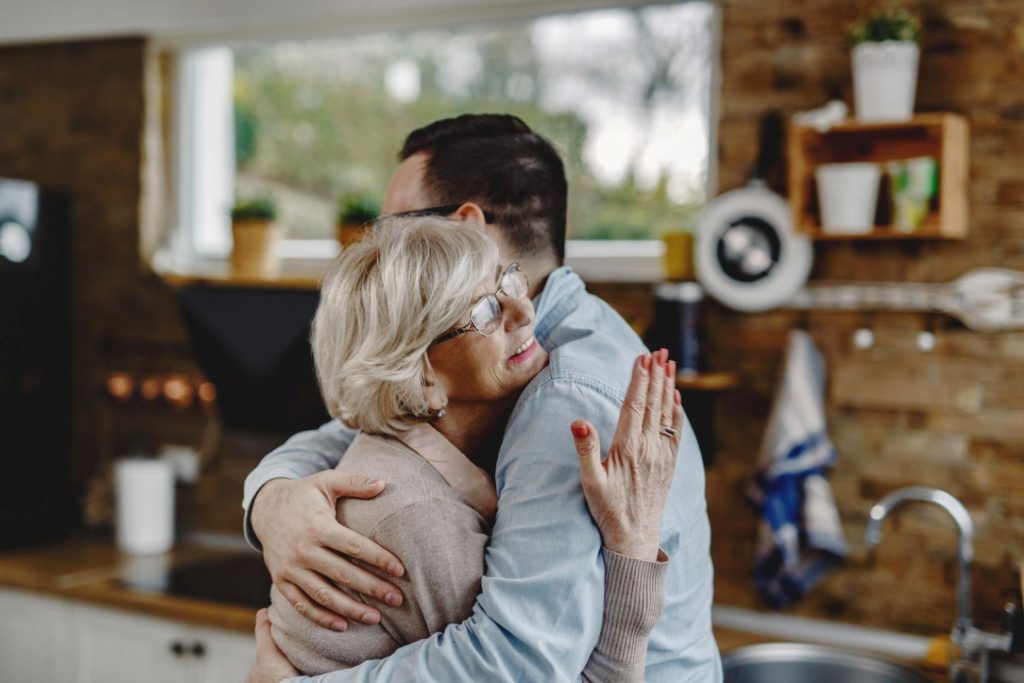
Moving on from almost a lifetime of motherhood and letting go is one of life’s most profound challenges. Every parent should know this truth deeply etched into their bones.
Raising a child means preparing them for a future that will eventually take them away from you. This process of learning to let go begins long before they start dreaming of the horizon and packing their bags.
It starts the moment we realize our children must leave the nest and find their own path in this world. It is something all parents should accept.
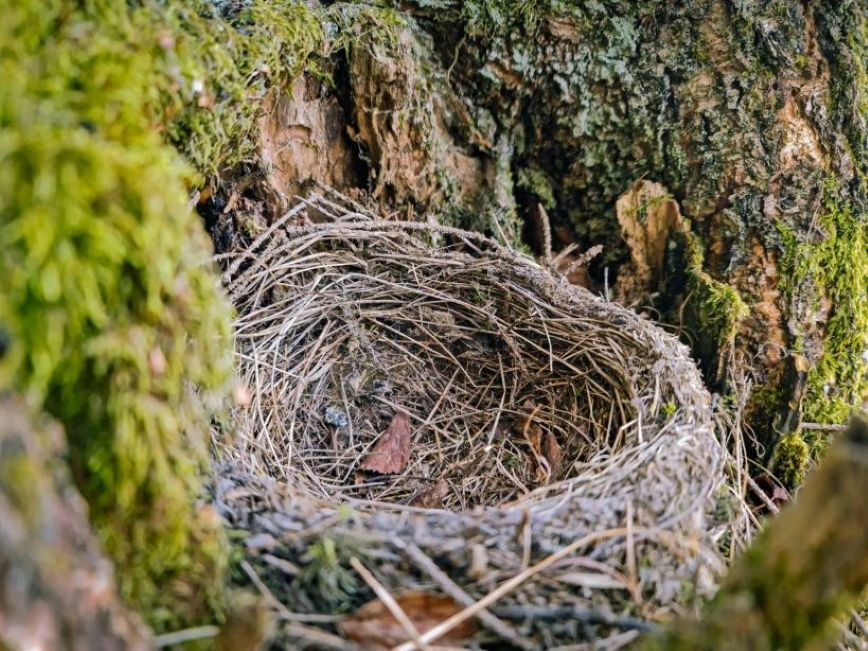
Photo by dabatepatfotos
The Natural Order of Growth
Mother birds do not keep their babies in the nest forever. They patiently teach them to fly, and then they let them go.
This natural cycle of growth and independence is the same as it is for human parenting. Just as fledglings need to test their wings, our children need to develop the skills to survive on their own.
Watching this process unfold can feel bittersweet, yet it is essential for their growth into capable adults.
A mother’s job is not to keep her children close forever (that’s what pets are for), but to prepare them for the time when they will no longer need her constant care. When parents hold on too tightly because of their own fears, they only risk limiting their child’s potential and causing resentment.
The goal is always to raise children who are strong enough to thrive independently.
Struggling with the Pain of Letting Go
Despite knowing that independence is a healthy and natural outcome of being a parent, the process of letting go is often painful for them.
It doesn’t feel good when we notice that our children no longer need us in the same ways as before. That’s what happens when we grow accustomed to things, and that’s fine. The toddler who once held your hand now walks ahead with friends, and the teenager who once shared everything now has their own secrets.
These moments, while natural, can still feel like small losses.
And that’s natural too: the feeling that we are being left behind.
This is only proof that your bond is incredibly strong because we have invested so much love and energy into nurturing our children. Cutting those ties, even gradually, contradicts our protective instincts.
Many parents experience a sense of emptiness when their children begin to need them less and less as time passes. However, feeling this sadness does not mean you are failing and simply means you have loved deeply.
The key, therefore, is to experience this sadness without letting it prevent your child from moving forward.
Allowing a child to leave the nest is an act of love and trust.
To let go shows that you believe in their abilities (and yours, as a parent).
Parents who have made this transition often find that their relationship with their adult children transforms into something new and equally beautiful.
The relationship between parent and child becomes a relationship built on mutual respect rather than dependency.
Learning from the Wisdom of Experience
The author Maya Butalid shares a touching example of her own journey in Chasing Windmills, writing about how she realized a child’s independence is a necessary and positive development.
She recounts how her daughter Elena, as a young girl, showed solidarity and independence by including a less popular friend in her birthday celebration. Elena didn’t wait for her mother’s instruction, assessing a social problem and taking action herself.
This moment was a clear sign that Elena was developing her own moral compass.
In another account, Maya reflects on raising her daughters in a mixed culture. She had to learn to accept that her children were both Filipino and Dutch.
While she regarded the Philippines as her true home, she also understood that to her children, who had grown up far from there, the Netherlands was their true home. This was her accepting that her daughters had their own agency and understanding of themselves. So, she found a balance by celebrating her Filipino roots at home while allowing her daughters to embrace their life in the Netherlands.
This required immense flexibility and a daily commitment to letting go of rigid expectations.
Maya also observes that children often have the right instincts about their own lives, during a conversation where her youngest daughter, Elena, announced she would take a year off from university to be an officer for her student rowing association. When Maya hesitated, Elena reminded her that she wasn’t asking for permission; she was making an announcement.
While this moment may have been surprising for a Filipino mother, it confirmed that Maya had successfully raised an independent thinker who could confidently navigate her own life.

Photo by prostooleh
What Comes After They Leave the Nest
When the children leave the nest, parents often face a significant personal challenge: rediscovering who they are. Now unmoored, it is an opportunity to be more than a parent again.
The identity of “parent” consumes time and energy for many, many years. What other aspects of life are subsumed by the greater core of parenting?
As such, the quiet that follows a child’s departure can feel disorienting at first. Yet this quiet also offers an opportunity to reconnect with parts of yourself that may have been set aside.
Finding new passions and goals can help ease the transition.
Some parents return to education, learning more about the world or taking up a new career path. Others dive into hobbies they had long neglected.
Many find renewed purpose in community volunteer work, or in supporting causes they care about.
For Maya, while raising her children did not mean giving up her political involvement, it helped immensely when they came to be of an independent age. Thus, she continued to serve as a city councillor and eventually became deeply involved in development work in the Philippines.
She demonstrates that being a devoted parent does not require sacrificing your other aspirations.
By pursuing their own interests, parents set a powerful example and show their adult children that life is about continuous growth and self-discovery.
This can even strengthen the parent-child bond, as it gives them new things to share and discuss.
A parent who is fulfilled is more likely to welcome their child’s visits as a source of joy, not as a source of validation.
Consider reading Maya Butalid’s Chasing Windmills, which offers a personal account of her journey through activism, motherhood, and integration into a new society. Heart of a Mother is a collection of short narratives and deep reflections on motherhood from a number of mothers that Maya talked to. These works provide comfort, wisdom, and practical insight for anyone facing the challenges of parenthood and the experience of letting go.