
Photo by Yan Krukau
Although it’s true that motherhood is labor, it’s actually more so than other jobs! There are other professions out there that require round-the-clock shifts, but motherhood never truly ends. The emotional labor of motherhood requires constant attention, patience, and energy that most people won’t fully ever understand until they experience it themselves.
This nonstop workload begins the moment when a child is born and continues through every stage of their development.
Being a mother is definitely a full-time job, and many mothers operate alongside their professional career, creating a unique and demanding lifestyle that requires careful planning and dedication.
The daily devotion that mothers pour into their children goes mostly unnoticed by society. This is a travesty, of course (one that we should work towards rectifying, but that’s for another time).
Now, balancing life with two jobs is hard enough, but managing a household while maintaining a career demands skills that would impress any employer. All across the globe, thousands of mothers learn to become experts at scheduling, budgeting, and problem-solving, all while ensuring their children feel loved and supported.
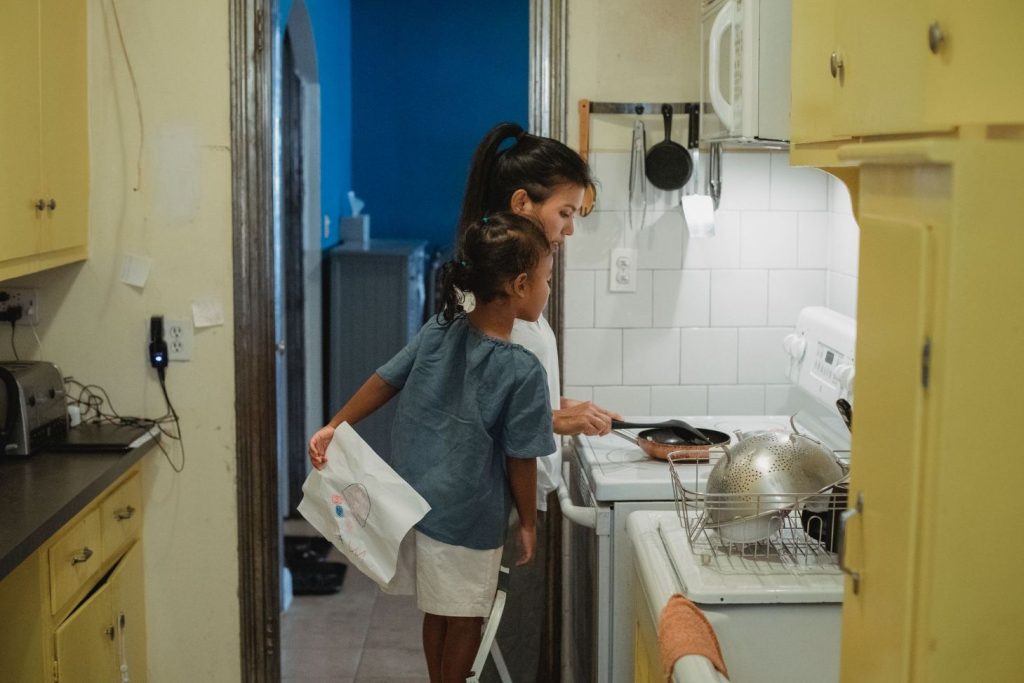
Photo by Kamaji Ogino
The Reality of the Double Shift
Without notice, most mothers are preparing meals, helping with homework, managing bedtime routines, and addressing the countless emotional needs of children. Working mothers face a unique challenge that many people fail to recognize. When the professional workday ends (and sometimes when it begins), the second shift of motherhood immediately begins (or it never ended at all).
Many women, essentially, have two full-time jobs, where one follows the other or both happen simultaneously.
The Dutch model offers interesting insights into how other societies support working mothers. Maya Butalid notes in Chasing Windmills that in the Netherlands, only twenty-five percent of women have full-time jobs after graduation, which is the lowest in the European Union. This statistic reveals how cultural expectations shape mothers’ career choices.
However, Butalid challenged this norm by maintaining a full-time career while raising two daughters, proving that alternative paths exist.
“I believe that you can be both one hundred percent mother and have a full-time job; these roles are to me not contradictory.”
Her perspective reflects a growing movement of women who do not buy into the idea that there has to be a dichotomy between being a parent and a professional.
Practical Strategies for Managing Both
Successful mothers often develop specific strategies to manage their dual responsibilities. This is what makes women very adaptable.
An example of a successful approach involves sharing household duties with partners, lightening the load for everyone and spreading the burden. The round-the-clock duty of being a parent becomes much more manageable when responsibilities are divided fairly.
This was something that Maya did, and she shares this in her Chasing Windmills about how her husband Carlo adapted to shared responsibilities:
“I taught him everything about household tasks. He grew up in a higher-class family, so they always had servants, a chauffeur and a nanny. He did not need to do any household tasks. Now Carlo cooks better than me.”
This transformation demonstrates how expectations can evolve when couples commit to partnership, and that it only takes an understanding for things to change.
One other strategy involves creating schedules and routines to ease the burden of working and parenting. Many working mothers find that establishing routines helps reduce daily stress and ensures nothing falls through the cracks.
Simple practices like meal planning and weekly schedules are life-savers, helping mothers allot some time for themselves outside of present responsibilities. Another thing that every mothers should consider doing is designating family time.
Either of these approaches creates stability for children while allowing mothers to focus on their professional responsibilities.
The Importance of Support Systems
Finding reliable childcare is a massive challenge for working mothers. Try as we might, it’s simply impossible to always be at home and be a mother, especially when you’re working. Therefore, having babysitters is important. Thus, the quality of care should be considered at the utmost since it affects children’s development and mothers’ peace of mind.
Butalid emphasizes the importance of qualified caregivers:
“The caretakers in the day-cares in the Netherlands are required to have a diploma in childcare. I find it very important that my children are taken care of by qualified babysitters.”
As such, building a network of support has to extend beyond professional childcare and adjacent services.
Extended family, friends, and community connections are especially important because they can provide backup when unexpected situations arise, easing mothers of invisible burdens.
Support systems become essential when mothers need to travel for work, handle emergencies, or simply take time for self-care. The daily devotion that mothers provide can only become sustainable when they have others who can step in when needed.
Balancing Career and Family Values
Aside from having to do work and parenting, working mothers often have to navigate different cultural expectations about their roles.
In the Philippines, Butalid’s mother worked full-time as a lawyer, providing a powerful example of a professional mother, and this upbringing shaped Butalid’s perspective:
“Having grown up in this environment, combining work with caring for your children was for me a normal thing to do.”
Cultural background significantly influences whether women view working motherhood as natural or challenging.
The values that mothers pass to their children will often reflect the choices and priorities of the latter. The history of humanity, essentially, is what lessons their children learned from and will teach their children.
By maintaining professional careers, mothers are able to demonstrate important lessons about ambition, responsibility, and gender equality.
In the meantime, their children can also learn that women can be both nurturing parents and successful professionals, expanding possibilities for future generations.

Photo by Lifestylememory
It’s a Full-Time Job Too, You Know
Motherhood represents a full-time job that requires extraordinary dedication, flexibility, and love. Therefore, they need all the help we can give them, whether it be through government policy, corporate programs, or individual actions.
Only by recognizing this reality and developing effective strategies can working mothers find fulfillment in both their professional and family roles.
The journey requires patience, support, and acceptance that perfection is not required for success. And we need all hands on deck.
For those seeking deeper insights into the beautiful and demanding journey of motherhood, explore Maya Butalid’s insightful works, Heart of a Mother and Chasing Windmills.