
Photo by freepik
The act of storytelling across generations has long continued for, well, generations. This is because the human person is a storytelling animal. You may not notice this, but we tell stories all the time, when talking to friends, when making posts on social media, even when just daydreaming.
Because we have an obligation to each other, which ensures that the lessons, joys, and sorrows of the past are not lost to time, indeed, storytelling matters because it’s what ties our families and communities beyond the physical. It’s through this sharing that we build a bridge from the past to the future and from one another to each other, creating a sense of belonging that no other activity can replicate.
Predating written language, this human tradition remains essential today.
When we share our histories, we are performing a sacred duty to those who came before and those who will follow.

Photo by cottonbro studio
The Power of Shared History
Each family is a unique collection of experiences that shape its broader identity within and without.
These meaningful narratives are not simply records of events but serve as the emotional and moral compass for the family, grounding them to become principled members of the larger community.
Grandparents exchanging stories with their grandchildren is a wonderful thing. Both are implicitly providing the other with a roadmap of where they both came from, creating a powerful connection that exists only between them and solidifying their empathy towards each other.
These stories—this exchange of stories—form part of an ongoing story of resilience and perseverance. This is how we learn that our own struggles are simply a single thread in a larger tapestry of the human condition.
To share a story with someone—with anyone—brings you into their orbit, if only minimally, and that, in turn, makes you a part of a greater whole. How many people have exchanged stories with one another? Isn’t that a wonderful thing to be made aware of: that we are all links in an unending chain of narratives? It’s these personal narratives that make the abstract more tangible and real, building a stronger foundation of understanding that binds families and communities together.
By learning one’s family history, that person has a better understanding of their place in the world and the vision to see a wider horizon of possibility.
This is the fundamental power of sharing stories.
Building a Bridge Across Time
As we’ve learned, storytelling is an important tool for bridging generations. It’s also equally important in combating societal issues that have plagued man since time immemorial.
Through the sharing of stories, older adults are able to explain away stereotypes and hopefully foster mutual respect with the young. On the other hand, older adults are better able to understand the challenges that the younger generation faces. This becomes a forum for ideas and perspectives, enriching the lives of both the teller and the listener.
These kinds of shared activities, where experiences are made known to one another, help foster and reinforce hope across both generations. What is ensured is that knowledge is passed down and that a family’s principles never die out willingly.
For immigrant families, this practice is essential for preserving cultural heritage and bridging the gap between the old world and the new.
When we listen to the experiences of people from different generations, our perspectives change, even if it’s only in a subtle manner.
The world we see begins to come not just from our own limited point of view, but through the eyes of others. This changes perspectives and builds a more inclusive and understanding society.
Shared stories are common ground for people of different ages to connect and see their shared humanity. As time passes, the stories we share with each other teach us that we are always human, no matter the time and place.
The Shared Soul of Community
Beyond individual families, stories are the adhesive property that holds entire communities together. It is because of stories that a shared identity and a sense of collective purpose can be created and maintained.
When we share stories, we are celebrating our common heritage and reminding each other of the values that unite us and make us one and the same.
This is especially important for marginalized or immigrant communities, where storytelling is often seen as a powerful act of resistance against erasure.
These shared narratives help people to see themselves reflected in a larger history, giving them strength and a sense of belonging.
This act of telling and retelling our tales is what makes us “us.”
Documenting our stories helps explain who we are, where we have been, and why we are here, which is the very essence of building a community—a place where people feel known and valued.
The responsibility falls on each of us to keep this tradition alive.
When we share our experiences, we contribute to a rich, diverse, and resilient community—and in a world that often feels disconnected, storytelling brings us back together by celebrating our shared soul and common destiny.
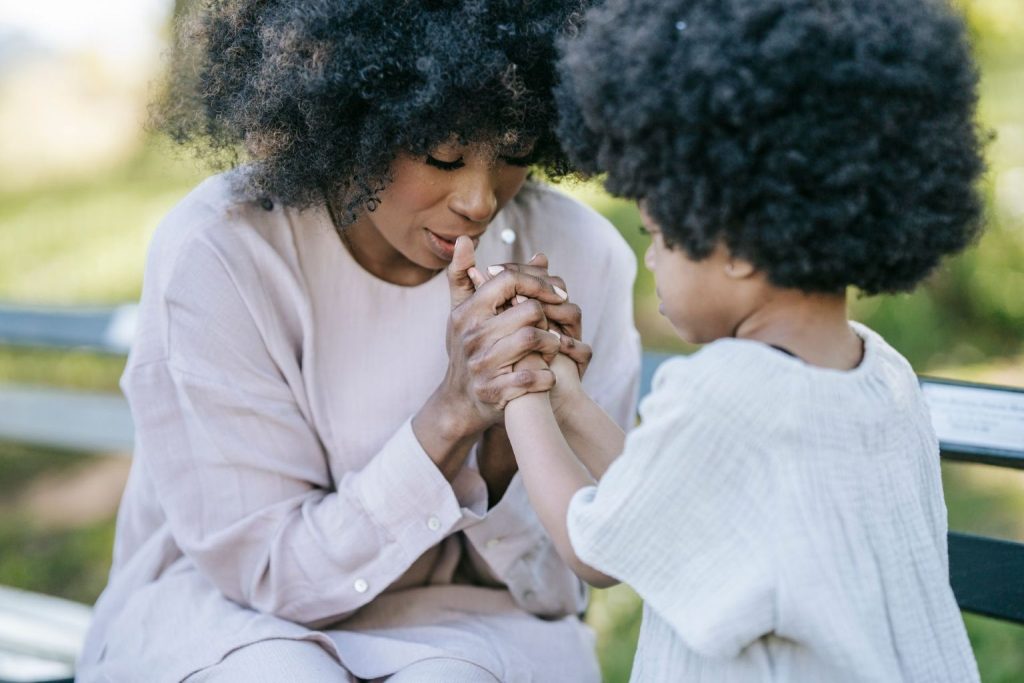
Photo by Barbara Olsen
Maya Butalid’s The Heart of a Mother
There is no story more powerful or important than that of a mother’s love, whose stories are the purest examples of resilience, sacrifice, and unwavering devotion.
In The Heart of a Mother, Maya Butalid collects these genuine personal stories to show the world the hidden battles mothers face, sharing narratives of immigrant women fighting discrimination, single mothers working tirelessly, and women whose love never falters, even in the face of unspeakable hardship.
These stories are not just for mothers, but for everyone who wants to understand the strength of the human heart.
Maya Butalid’s work is a testament to why the obligation to tell stories is real and so crucial. By telling these meaningful narratives, she ensures that the sacrifices of these women are never forgotten.
Storytelling matters because it builds a human connection and empathy across all divides. Her book is a powerful reminder that behind every person is a story of love, struggle, and hope.
Do not let these stories of resilience, love, and sacrifice fade away. Take the step to preserve and share these meaningful narratives for the generations to come.
Discover the weight of a mother’s story in The Heart of a Mother.